

The Pedicure Gizmo by N Nails
The Pedicure Power Trio: Unveiling the Secrets of Smooth Feet.
Let’s face it, our feet work tirelessly, carrying us through life’s adventures. But often, they’re the last part of our body to receive the pampering they deserve. Dry, cracked heels and stubborn calluses aren’t just an aesthetic concern; they can be uncomfortable and even painful.
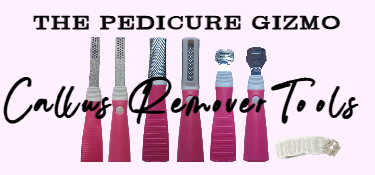
Fear not, fellow foot warriors! Today, we’re diving deep into the world of heavy-duty pedicure tools, specifically the power trio that can transform rough soles into baby-soft wonders: the callus shaver, the flat finishing rasp, and the curved rasp. Understanding each tool’s purpose and how to use it safely is key to achieving salon-quality results at home.
.
1. The Callus Shaver: Your First Line of Defense
Imagine a tiny, precise plane for your feet – that’s essentially what a callus shaver (sometimes called a Credo knife) is. This is the most assertive tool in your arsenal, designed to tackle those thick, hardened layers of skin that laugh in the face of a regular pumice stone.
When to use it: When you have significant, deep calluses that feel like armor on your heels or the balls of your feet.
How to use it (the golden rule!): Always, always, ALWAYS soak your feet first! A good 10-15 minute soak in warm water is crucial to soften the skin, making it safer and easier to remove. With the shaver, use light, controlled strokes, gently shaving off thin layers of dead skin only. Think of it like peeling an apple, but on your foot.
A word of caution: This tool requires a delicate hand. Never apply too much pressure or use it on live skin, as this can lead to cuts and potential infection. If you’re unsure, less is definitely more.
2. The Flat Finishing Rasp: Smoothing the Way
Once the heavy lifting of the callus shaver is done, you’ll likely have some slightly uneven patches or remaining dry areas. That’s where the flat finishing rasp steps in. Often resembling a “cheese grater” for feet (but much gentler!), this tool is your secret weapon for refining the skin’s surface.
When to use it: After using the callus shaver, or for moderate calluses that don’t quite warrant the shaver.
How to use it: Still on moist feet, gently glide the flat rasp over the treated areas. Its purpose is to smooth out any rough edges and ensure an even texture. It’s like the sanding block after you’ve planed wood – it creates that flawless finish. You’ll be amazed at the amount of fine, dry skin this tool can remove!
3. The Curved Rasp: Reaching Every Contour
Our feet aren’t flat, and neither should all our pedicure tools be! The curved rasp is a clever innovation designed to perfectly hug the natural contours of your foot.
When to use it: For those trickier, curved areas like the arch, around the sides of your toes, or along the edges of your heel where a flat rasp might struggle.
How to use it: Again, on soft, moist skin, use gentle back-and-forth motions. The curve allows for better contact and more effective removal of dead skin in those hard-to-reach spots, ensuring a consistently smooth feel all over your foot.

The Secret to Lasting Smoothness: Hydration!
While these tools are fantastic for removing existing calluses, preventing their return is key. After you’ve buffed, scraped, and smoothed your way to perfection, don’t forget the final, crucial step: moisturize! Slather on a rich foot cream or balm to lock in hydration. Doing this regularly will keep your skin supple and significantly reduce the chances of calluses reforming quickly.
With this powerful trio and a little bit of care, you’re well on your way to enjoying beautifully smooth, comfortable feet that are ready to take on the world. Happy pedicuring!
Shop the The Pedicure Gizmo by N-Nails
Always remember to clean and thoroughly dry all your pedicure tools after each use. This prevents bacterial buildup and keeps them hygienic for your next pampering session.
When it comes to the callus shaver, the flat finishing rasp, and the curved rasp, the most important warning is one you’ll find on almost every professional package:
⚠️ CAUTION: Extremely Sharp. Keep out of reach of children.
Because these tools are designed to slice through or grind down tough human tissue, they can cause serious injury in the hands of a child. Here is why this warning is so critical and how to handle these tools safely.
Why the Caution is Critical
- The Callus Shaver is a Razor: A callus shaver uses a literal razor blade. Unlike a kitchen knife, it is designed to take off thin, translucent layers of skin. A child playing with this can easily cause deep, “gouging” cuts that bleed heavily.+1
- The “Cheese Grater” Effect: To a child, a metal foot rasp looks like a toy or a kitchen tool. However, the perforated metal teeth are designed to shred hard skin. On soft, young skin, these can cause painful abrasions or “road rash” style injuries instantly.
- Infection Risk: These tools are used on feet to remove dead skin and bacteria. If a child cuts themselves with a used tool, the risk of transferring fungal or bacterial infections into their bloodstream is significantly higher.
Safe Storage Rules
To prevent accidents, treat your pedicure kit with the same level of caution as medications or sharp kitchen cutlery:
- The “Up and Away” Rule: Never leave these tools on the edge of the bathtub, on a low bathroom counter, or in an unlocked bottom drawer. Store them in a high cabinet or a locked vanity box.
- Dry and Cap: Always dry the tools completely after use (to prevent rust) and put on any protective plastic guards or caps that came with the set.
- The Shaver Lock: Many modern callus shavers have a “safety slide” or a locking mechanism. Always ensure the blade is retracted or locked before storing it.
- Original Packaging: If possible, keep the tools in their original hard plastic case. This protects the blades from dulling and provides an extra layer of protection if a child does manage to grab the container.
First Aid for Accidental Cuts
If an accident does happen with one of these tools:
- Stop the Bleeding: Apply firm, direct pressure with a clean cloth for at least 5 minutes.
- Clean Thoroughly: Wash the area with mild soap and lukewarm water. Avoid using hydrogen peroxide, as it can damage the delicate tissue and slow healing.
- Monitor for Infection: Watch for increasing redness, swelling, or pus over the next 48 hours.
- Seek Medical Help: If the cut is deep, gaping, or was caused by a rusty blade, visit an urgent care center immediately—especially if the child’s tetanus vaccinations are not up to date.
Would you like me to create a quick “Safety Checklist” you can print out or save to keep with your pedicure kit?
A Final Note on Hygiene
Always remember to clean and thoroughly dry all your pedicure tools after each use. This prevents bacterial buildup and keeps them hygienic for your next pampering session.
With this powerful trio and a little bit of care, you’re well on your way to enjoying beautifully smooth, comfortable feet that are ready to take on the world. Happy pedicuring!

No Comments